Monday, December 18, 2006
Monday, April 24, 2006
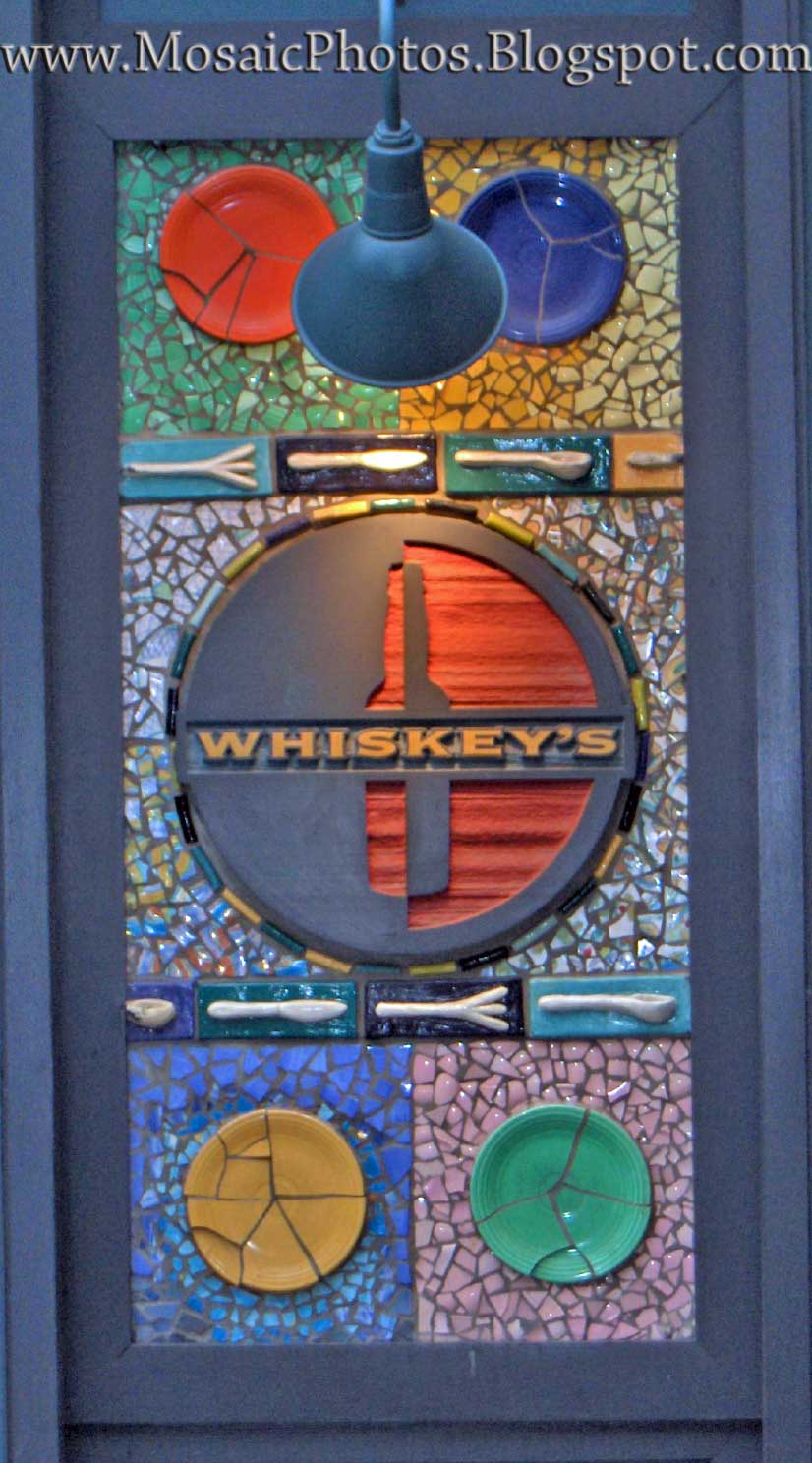
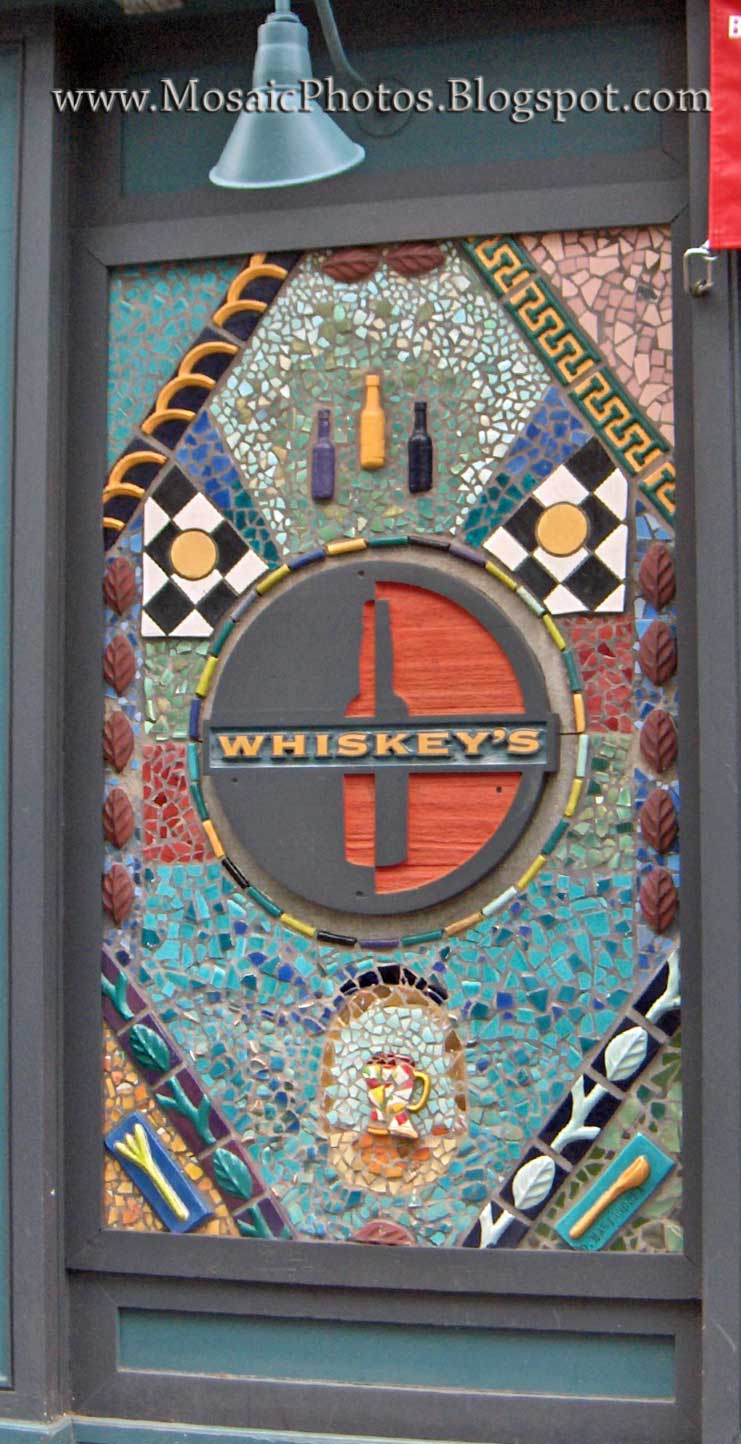
Boston, Mass. USA - Whiskey's Bar


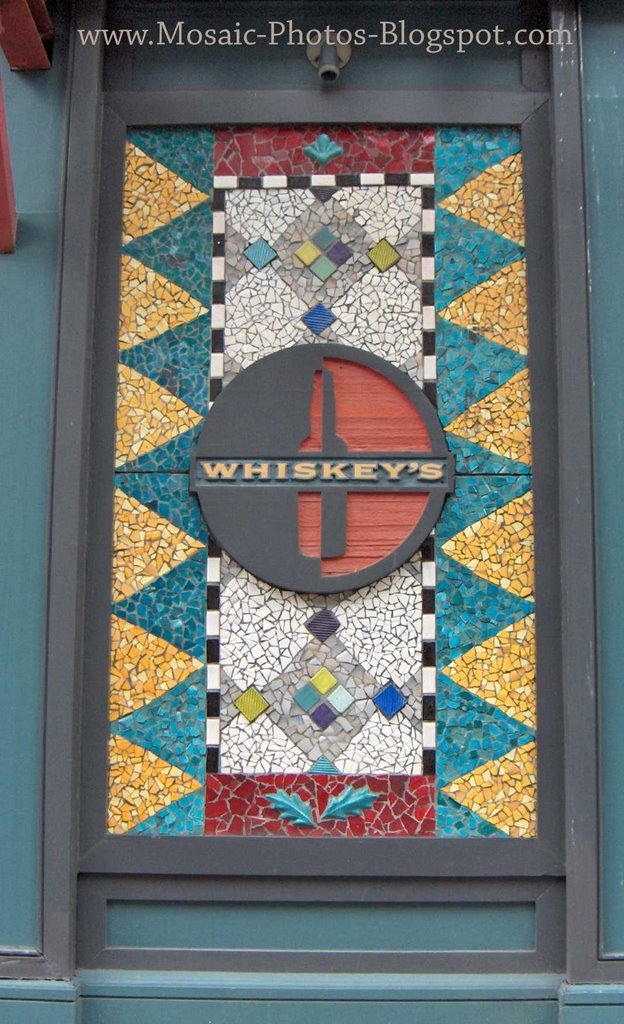
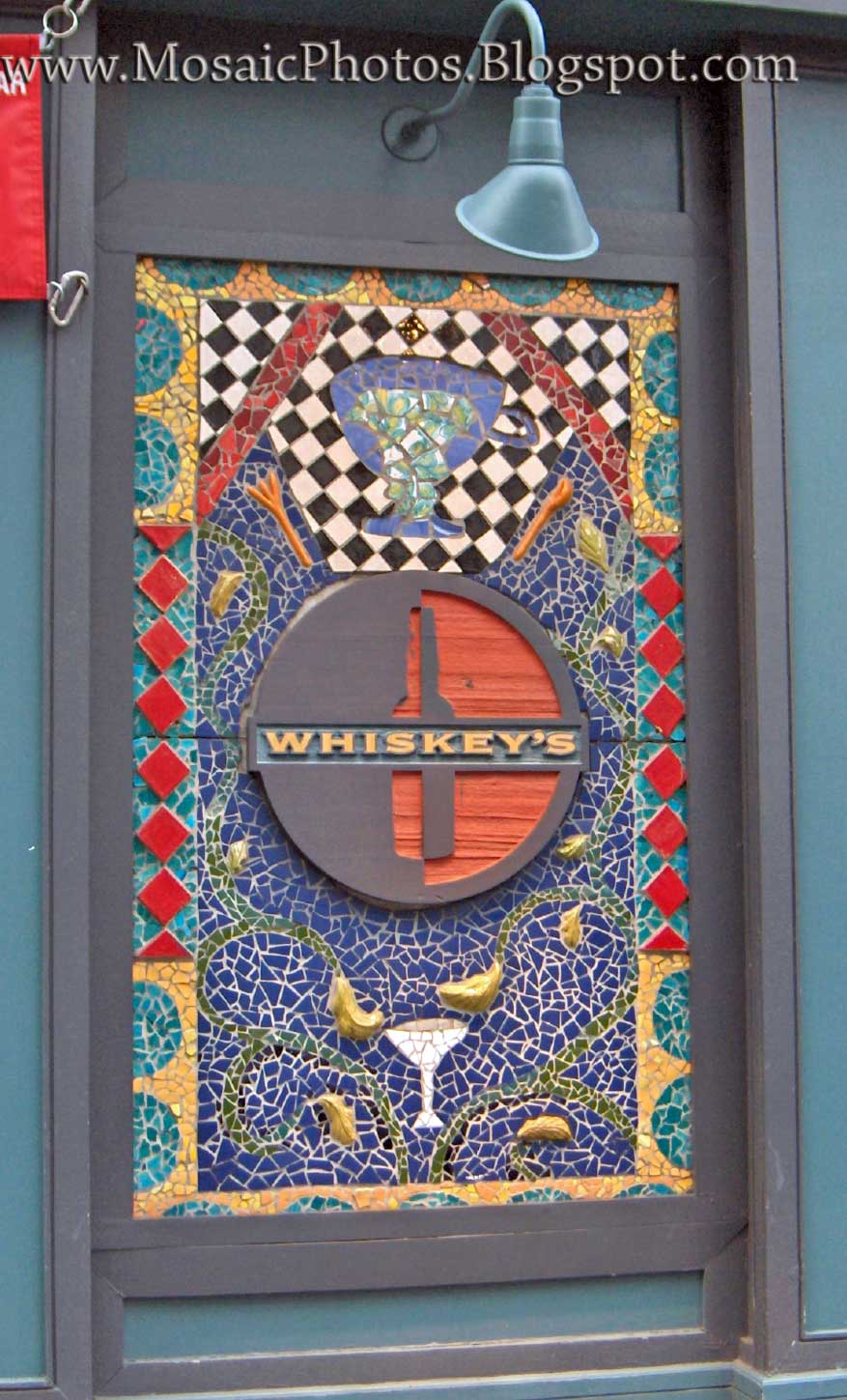
I was in Boston in April 2006 for PubCon and spotted these handsome mosaics on the two sides of Whiskey's Bar on the Corner of Boylston and Gloucester near the Hynes Convention Center and the Backbay Area.
They were set into the wall as windows would be. All of the mosaic panels had lighting directed to them. Click to see the big photo and mosaic details.
Tuesday, November 15, 2005
Thursday, August 25, 2005
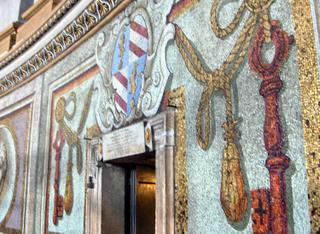
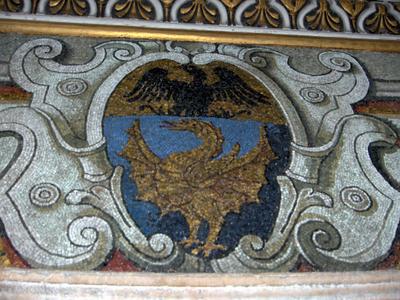
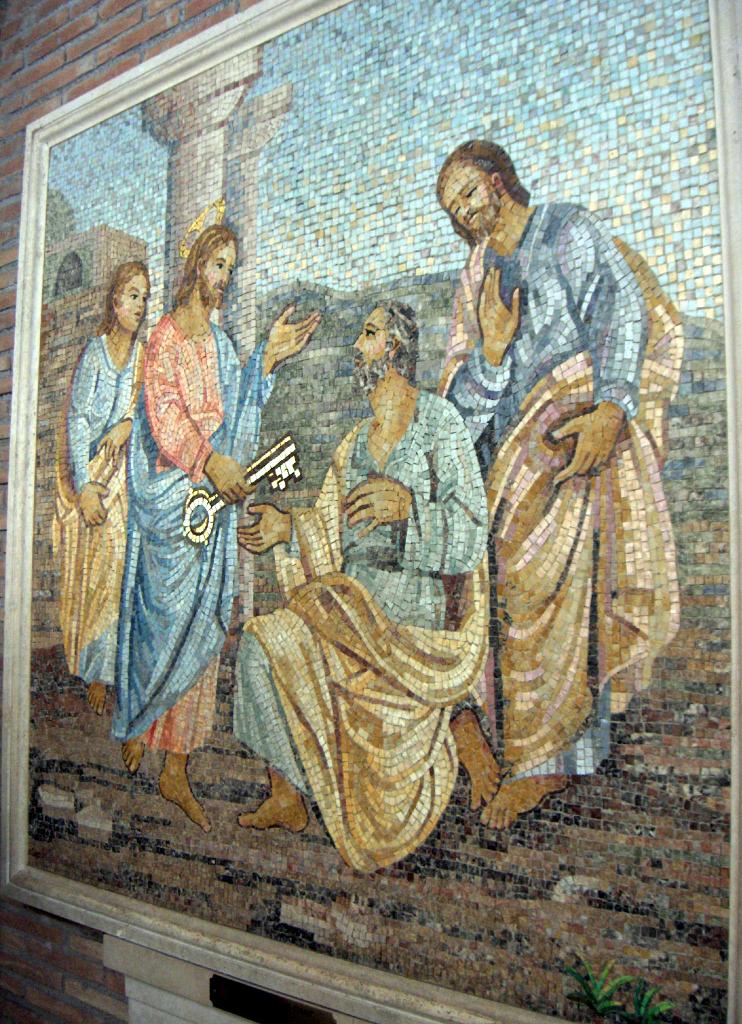
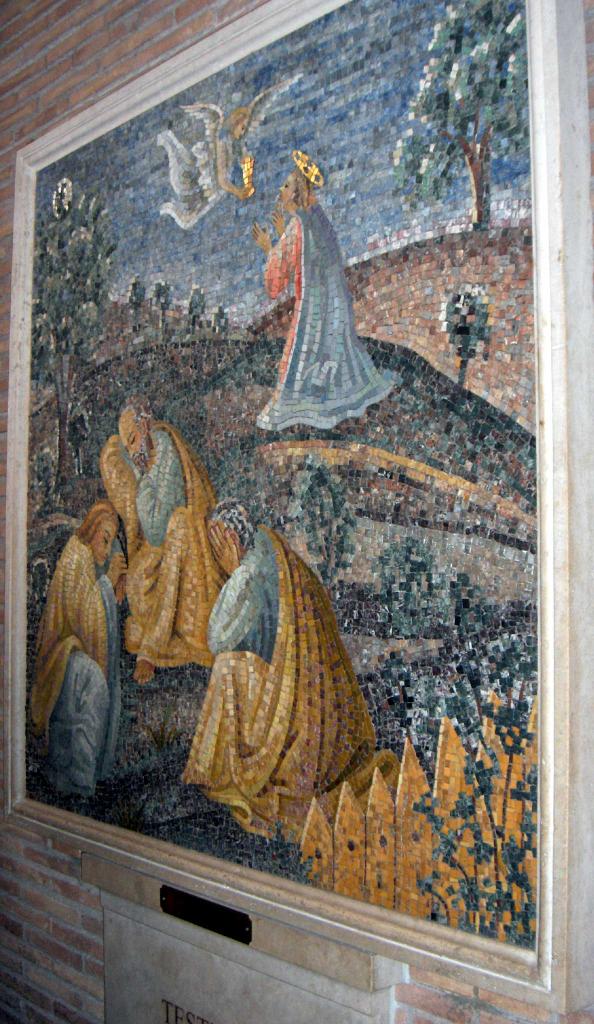
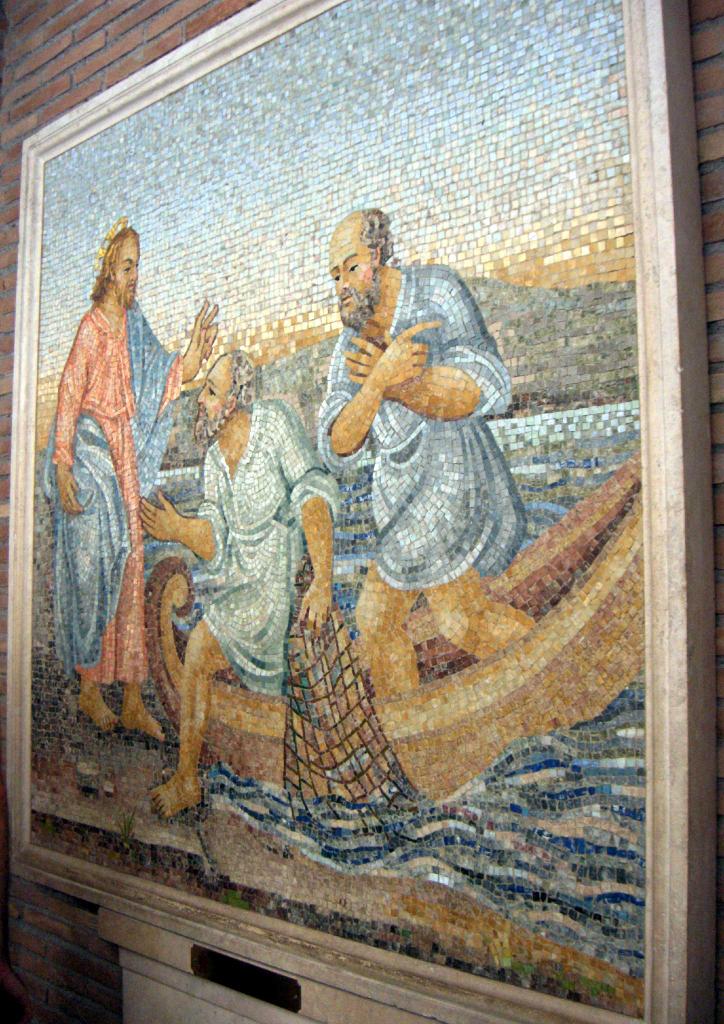
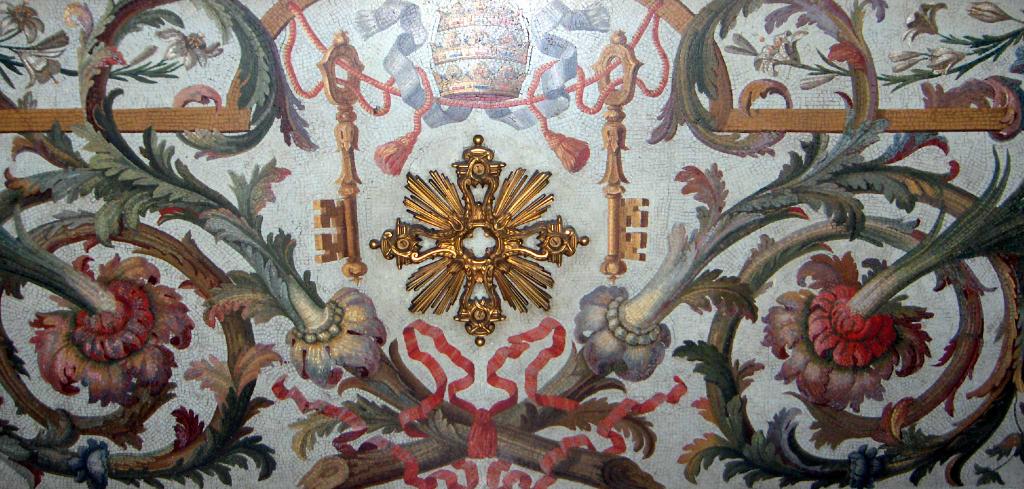
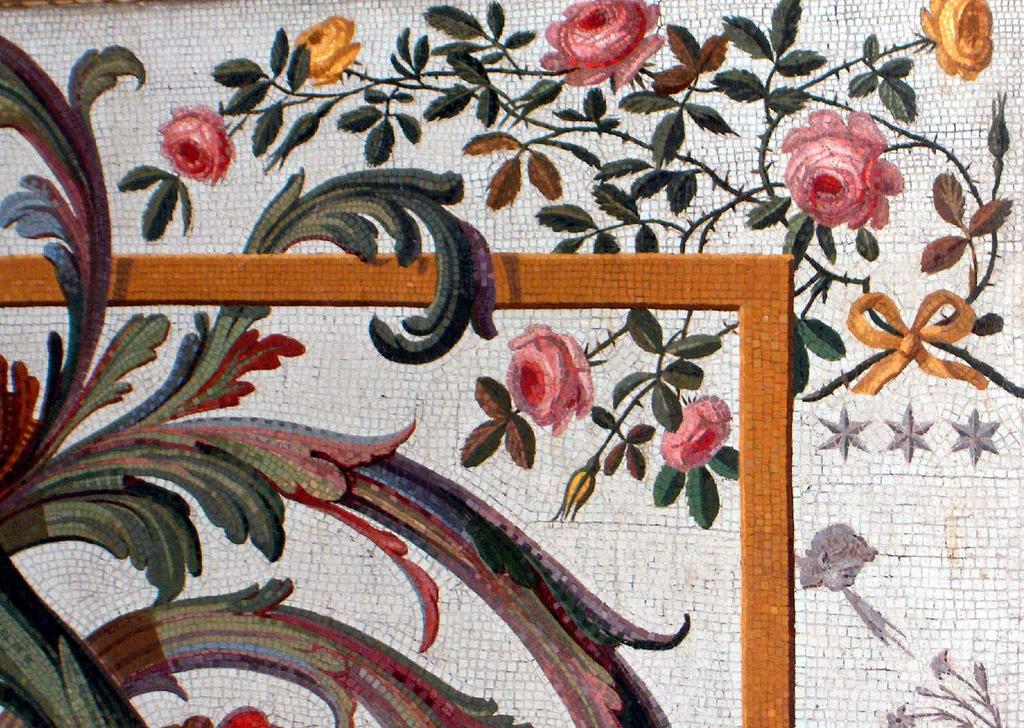
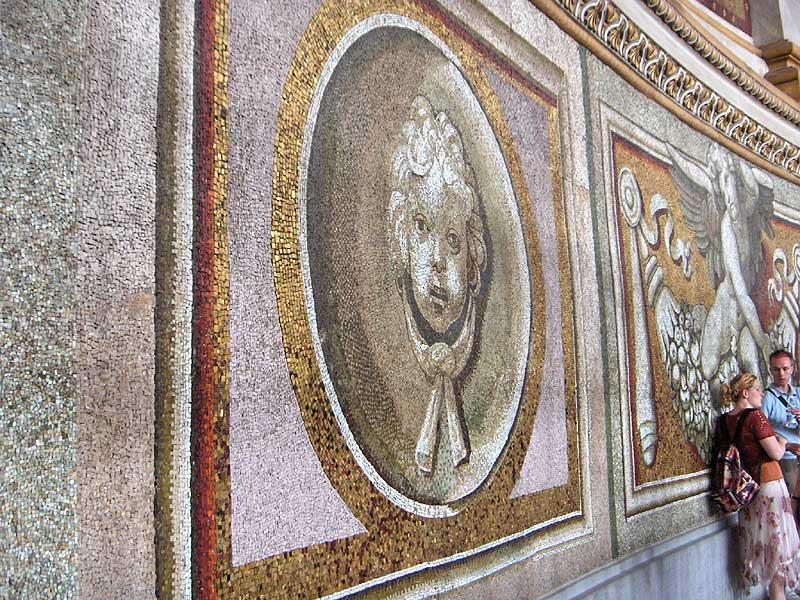
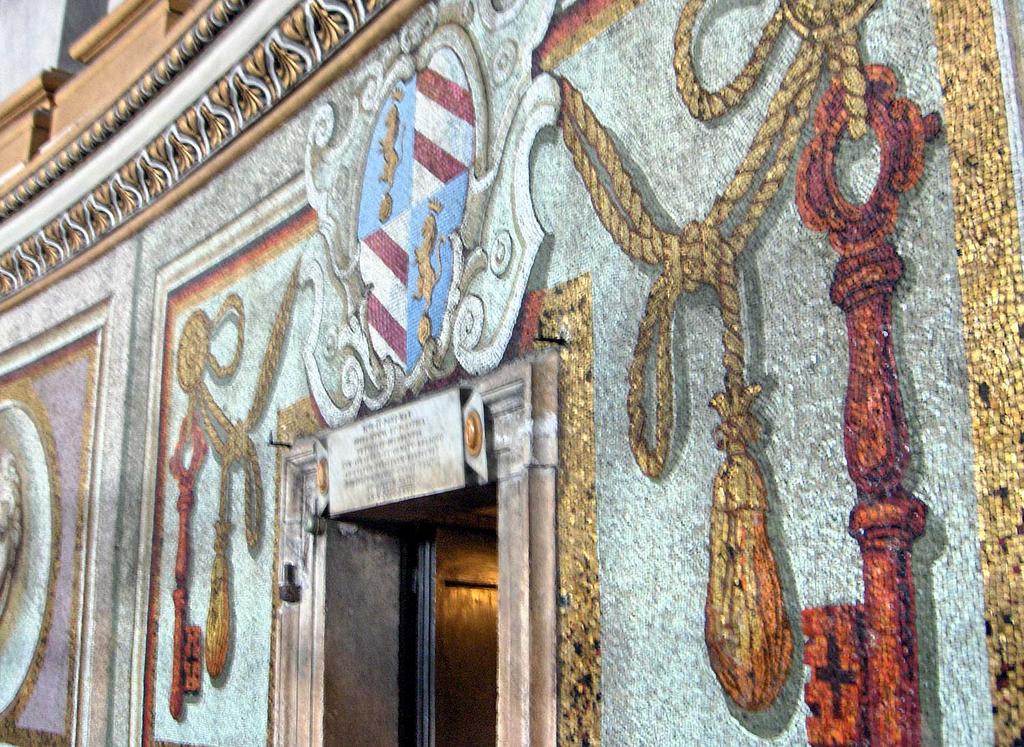
Mosaic Wall Panels in The Vatican


When we entered in the busy month of July, there were just mobs of people. With increased security almost everywhere I visited since my previous visit about 5 years ago, I was used to seeing new check stations at entrances to important places. On the right side of St. Peters steps, I saw people lining up between wooden 'form a line' barriers, so we fell in place. It is funny, because we had been in that line for a while before we realized that we were actually waiting for the opportunity to ride/climb to the top of the dome on the cathedral. We didn't even know what it would entail, but it sounded interesting. Little did we know how cool, and how physically challanging it actually was.
Eventually we saw a big sign about "Don't do it if you have a weak heart", etc...they could and should have added "claustrophobia" to that list.
We were offered the choice of either climbing ALL the way up ourselves or taking a tiny lift to the rooftop level where you see the row of statues standing on the horizonal front edge of the front of St. Peters and walking from there. Nut that I am, I might have picked the all steps route, but my companion flatly stated that we were doing the lift part way and she was paying for both of us. We tried to ask how many stairs the lift bypassed, but could never get clear info on that. We were just curious.
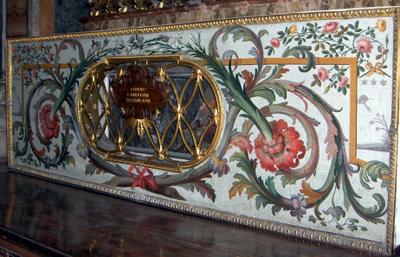
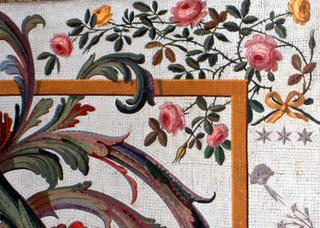
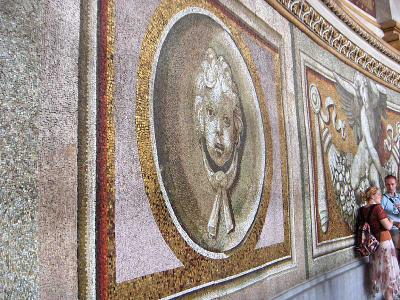
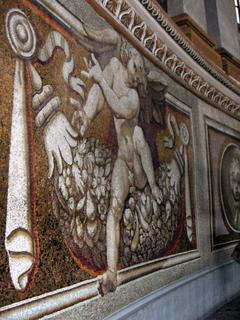
Along the waiting area was a series of mosaic panels set into the wall. It was VERY difficult to get these photos. The people were basically shoulder to shoulder and all spoke a different alnguage. The folks from some Norway/Denmark/Sweden place in front of me could see, if they had cared to notice that I was attempting to make photos of the mosaics and helped out a bit but instead, they continued to lean against them, or if nothing else keep one hand and arm (or backpack) on them at all times---and anytime a gap opened up--the pressure was on from behind to move forward. Meanwhile it was about 90 degrees F the whole time.
Tuesday, August 23, 2005
St. Peters In Rome--The Mosaic Pinnacle of the Universe
For anyone who has not done so, either immediately buy a ticket to Italy and go directly to Rome and do not leave there until you have seen St. Peters. OR, start saving money and do not stop until you have enuf to go. St. Peters Cathedral is, without a doubt, the greatest man-made structure on the planet--and I am not Roman Catholic, so don't even think for a minute that my saying this has anything to do with my being hyptomtized by church traditions, etc... 
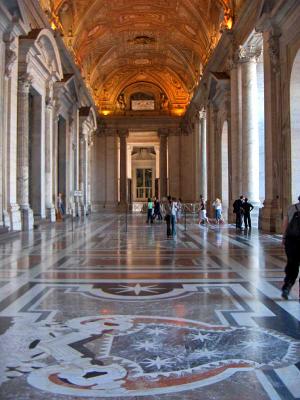
This is the foyer into St. Peters Basicila. This picture gives you some idea of the scale of this building.
At the end from which I am taking the photo, there was a view of a wonderful mosaic behind a statue of a man on a horse. The closed gate prevented me from getting any closer. I tried to go outside and around, but it was guarded and not accessible. If you click on the larger image, you can get some idea of the 3-D effect of the mosaics
behind the statue.
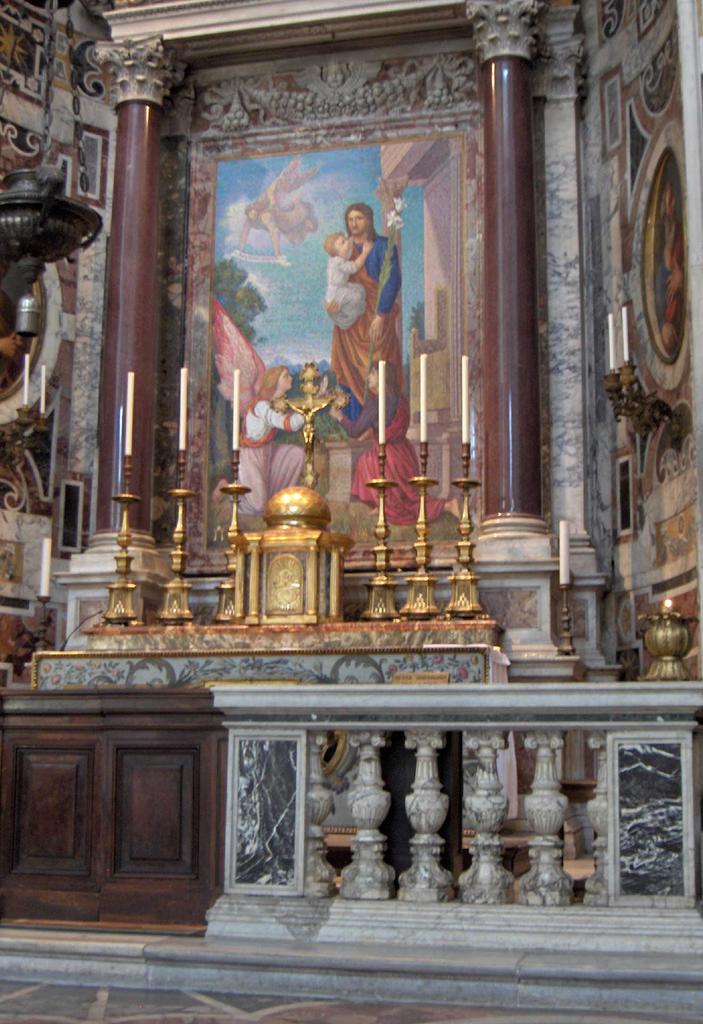
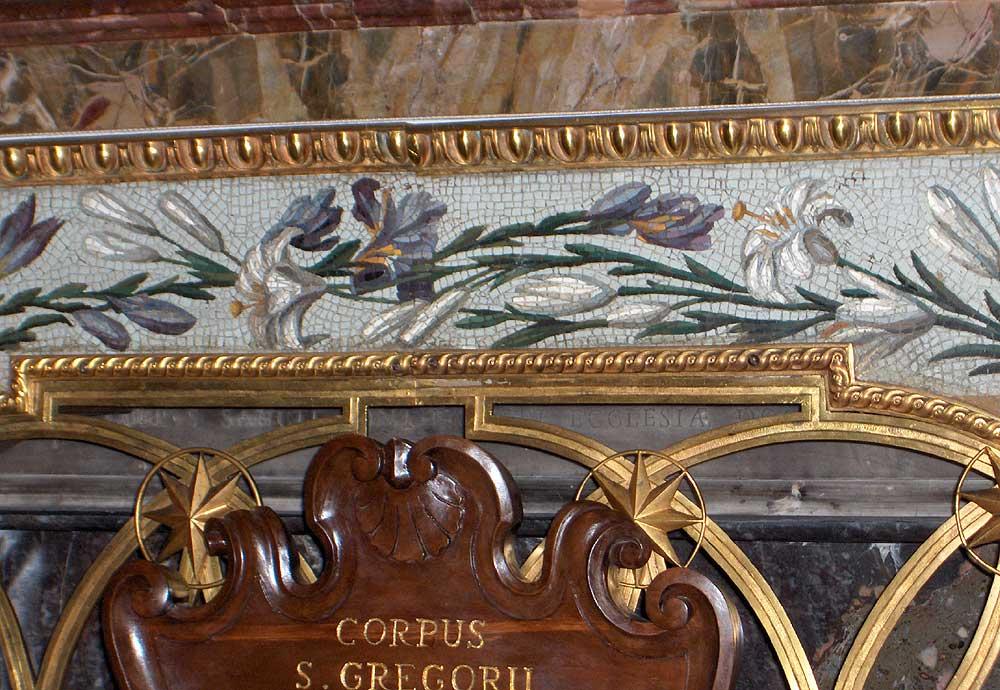
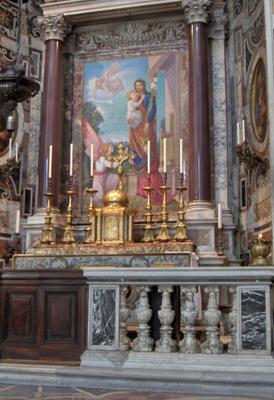
There are many small altars (by St. Peters standards) in alcove chapels on the sides in the Basilica. They are incredibly beautiful. I have taken some full length photos and a few detail shots.
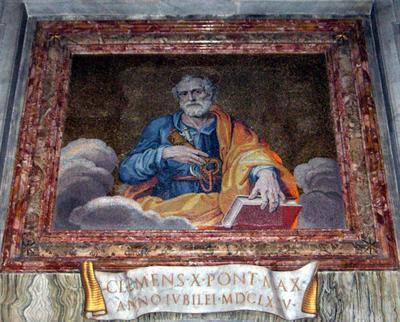
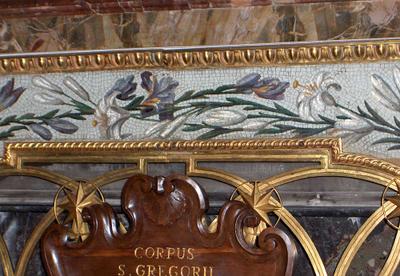
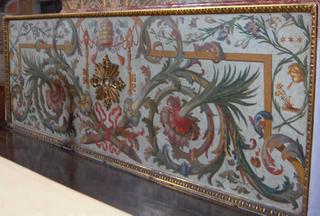
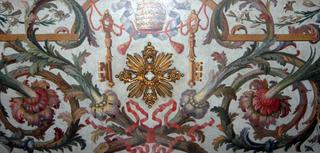
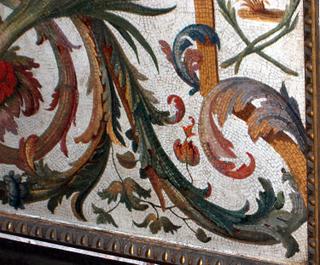
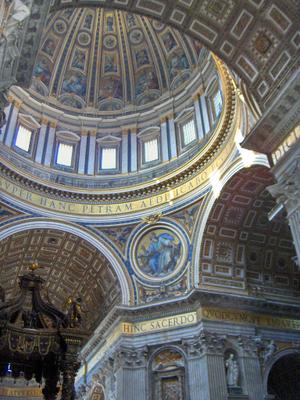
The scale and magnificance of St. Peters is TOTALLY OFF THE SCALE.........it is the only building that has ever brought tears to my eyes, just by it's being there, as it is. MIND BOGGLING......
Some of the photos I will put here are just there to give you a sense of the scale.
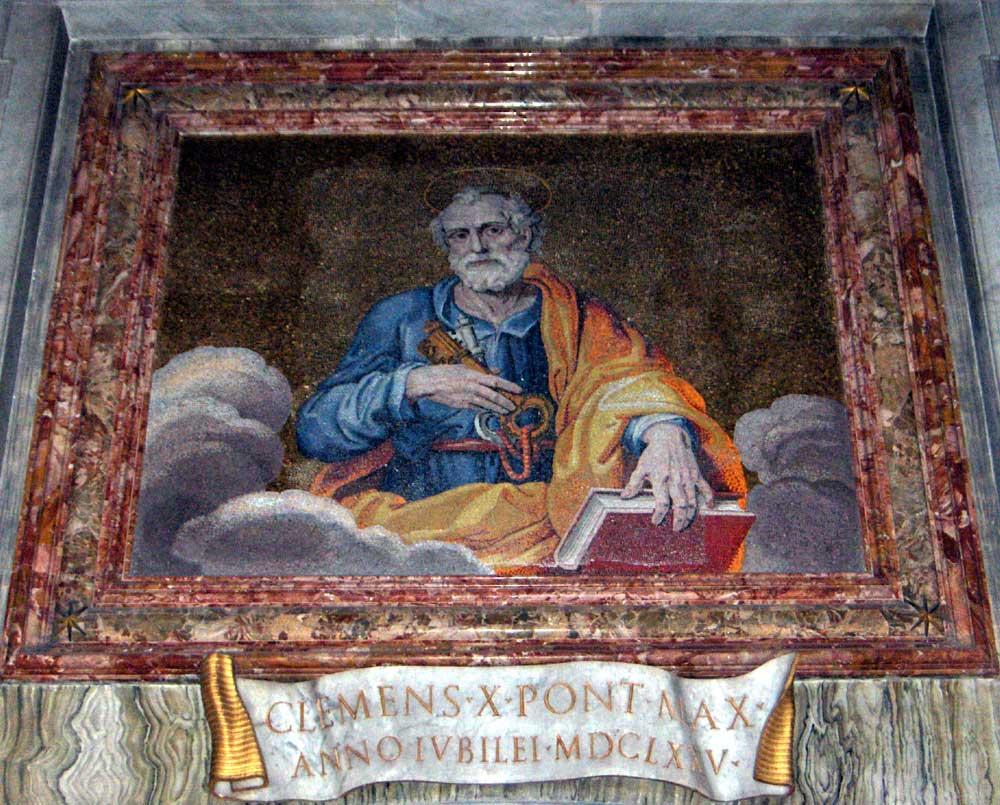
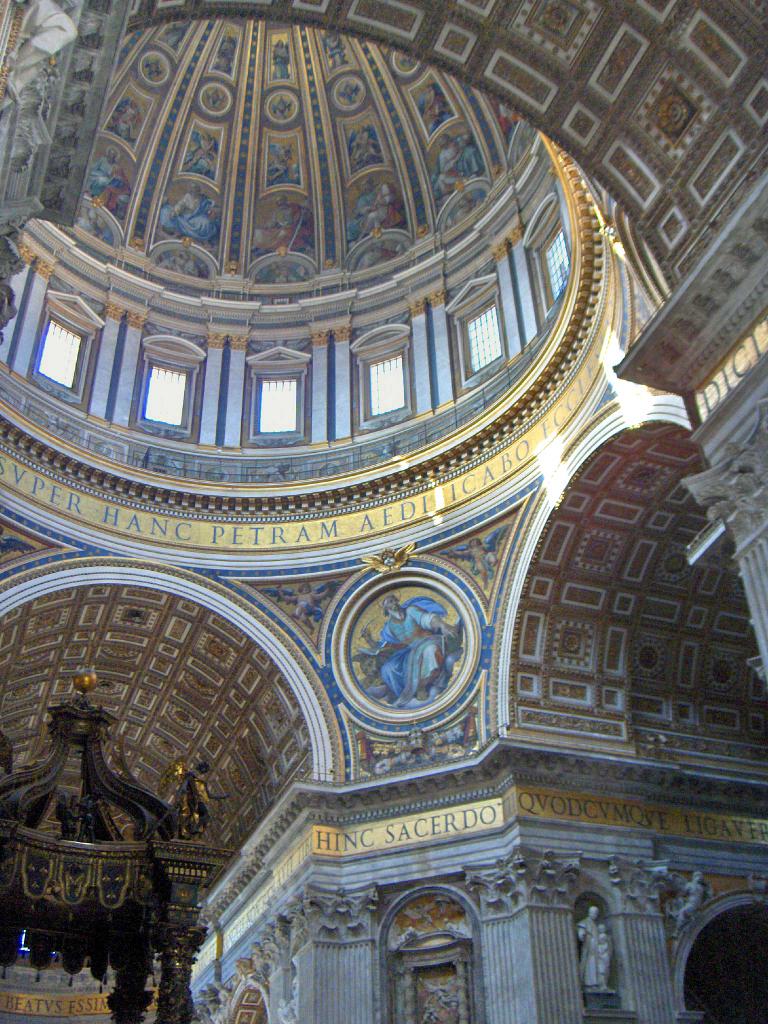
AND I truely do not believe that many people have any idea that all those 'paintings' that they see from w-a-y down there on the floor are really, totally mosaics.........even I, who had been there once before about 5 yrs ago, had no idea. Considering the scale, it seems impossible.
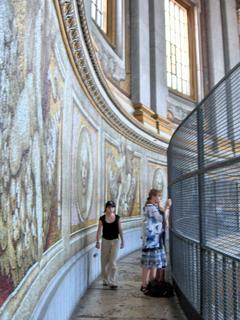
BUT....Sara O'Dell and I spent a whole day climbing the stairs , thru the most narrow of passage-ways, up, up, up, thru tiny spiral towers, round and round the cavity between dome and the outside roofing materials to the tip-to
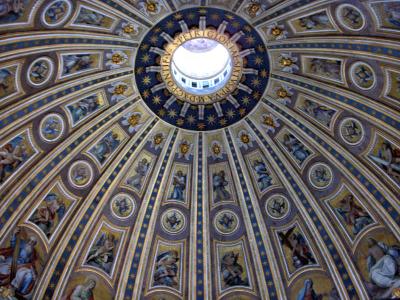
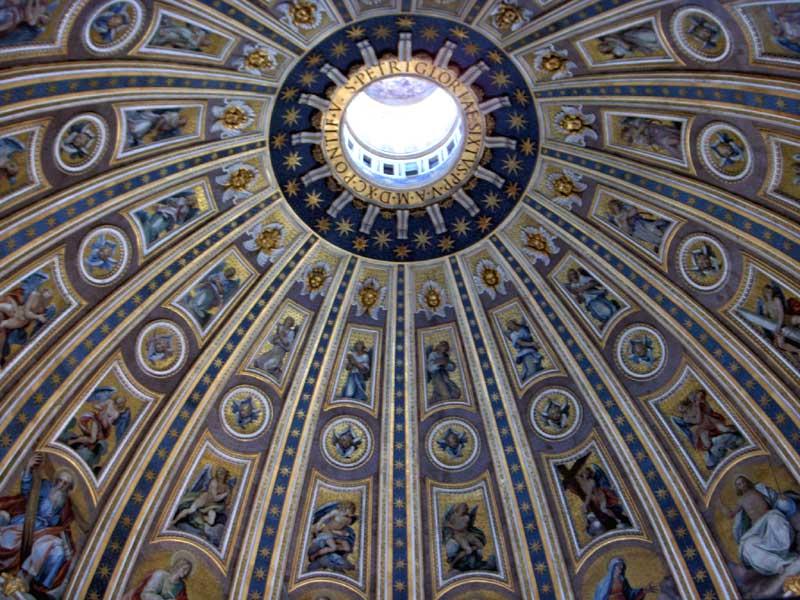
p cupola on the top of the cathedral and can tell you, and show you by these photos, that these highly details illustrations that cover the entire dome are mosaics made of hundreds of thousands, and probably millions of smalti. From up there in the dome, the people on the floor look like ants. They are not aware of the presence of any people up there when they look up. It is THAT BIG !!
I have done searches and image searches on the web, and have not found any decent photos of the Dome mosaics in St. Peters, which is even more remarkable, considering that they are probably the most impressive mosaics that I have ever seen --and yes I have been to Ravenna and churches in the Po River Delta.
Click to see a bigger image. Here is a link to photos of St. Peter's Organ--it shows some of the interior. Keep in mind that this is an organ that usually FILLS one wall of a typical big church .
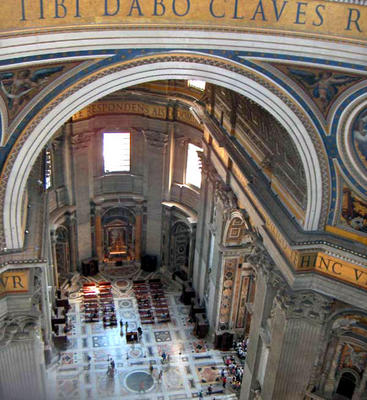
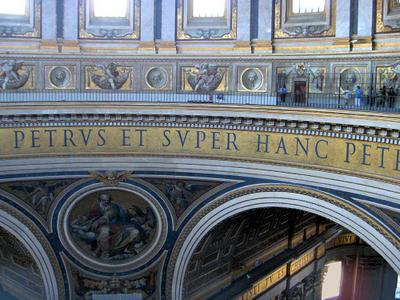
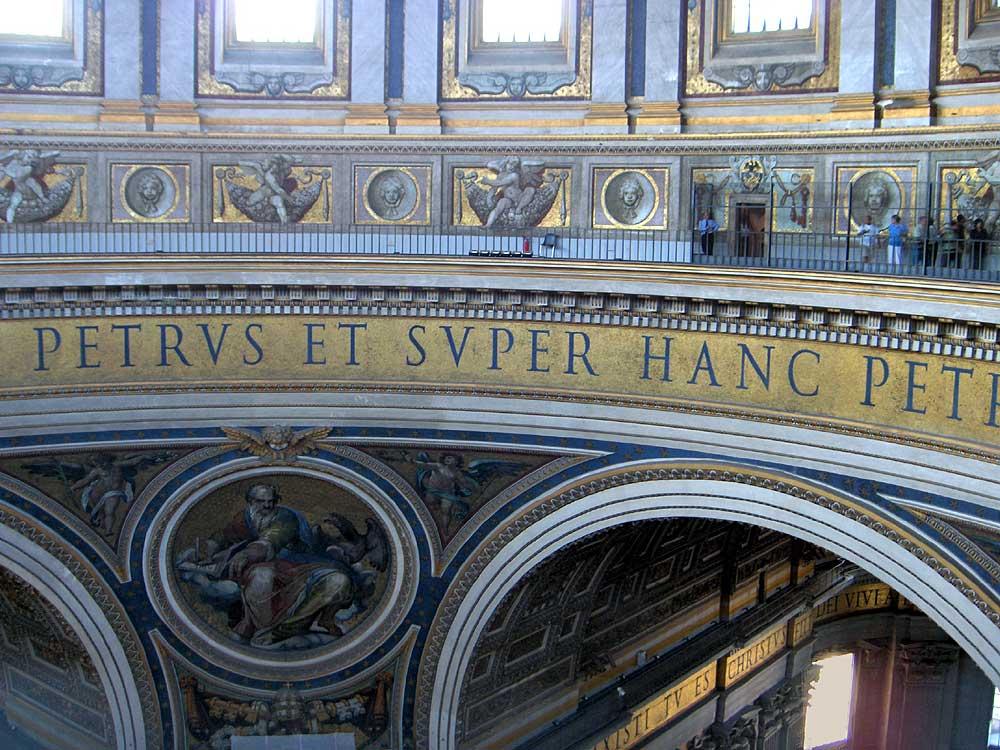
Notice the people standing behind the safety screening right above the solid gold band above the lettering.
My stomach did flips when I looked down or even up for that matter...it was UNREAL !!


This is the foyer into St. Peters Basicila. This picture gives you some idea of the scale of this building.

At the end from which I am taking the photo, there was a view of a wonderful mosaic behind a statue of a man on a horse. The closed gate prevented me from getting any closer. I tried to go outside and around, but it was guarded and not accessible. If you click on the larger image, you can get some idea of the 3-D effect of the mosaics
behind the statue.There are many small altars (by St. Peters standards) in alcove chapels on the sides in the Basilica. They are incredibly beautiful. I have taken some full length photos and a few detail shots.


The scale and magnificance of St. Peters is TOTALLY OFF THE SCALE.........it is the only building that has ever brought tears to my eyes, just by it's being there, as it is. MIND BOGGLING......
Some of the photos I will put here are just there to give you a sense of the scale.
AND I truely do not believe that many people have any idea that all those 'paintings' that they see from w-a-y down there on the floor are really, totally mosaics.........even I, who had been there once before about 5 yrs ago, had no idea. Considering the scale, it seems impossible.
BUT....Sara O'Dell and I spent a whole day climbing the stairs , thru the most narrow of passage-ways, up, up, up, thru tiny spiral towers, round and round the cavity between dome and the outside roofing materials to the tip-to
p cupola on the top of the cathedral and can tell you, and show you by these photos, that these highly details illustrations that cover the entire dome are mosaics made of hundreds of thousands, and probably millions of smalti. From up there in the dome, the people on the floor look like ants. They are not aware of the presence of any people up there when they look up. It is THAT BIG !!I have done searches and image searches on the web, and have not found any decent photos of the Dome mosaics in St. Peters, which is even more remarkable, considering that they are probably the most impressive mosaics that I have ever seen --and yes I have been to Ravenna and churches in the Po River Delta.
Click to see a bigger image. Here is a link to photos of St. Peter's Organ--it shows some of the interior. Keep in mind that this is an organ that usually FILLS one wall of a typical big church .


Notice the people standing behind the safety screening right above the solid gold band above the lettering.
My stomach did flips when I looked down or even up for that matter...it was UNREAL !!

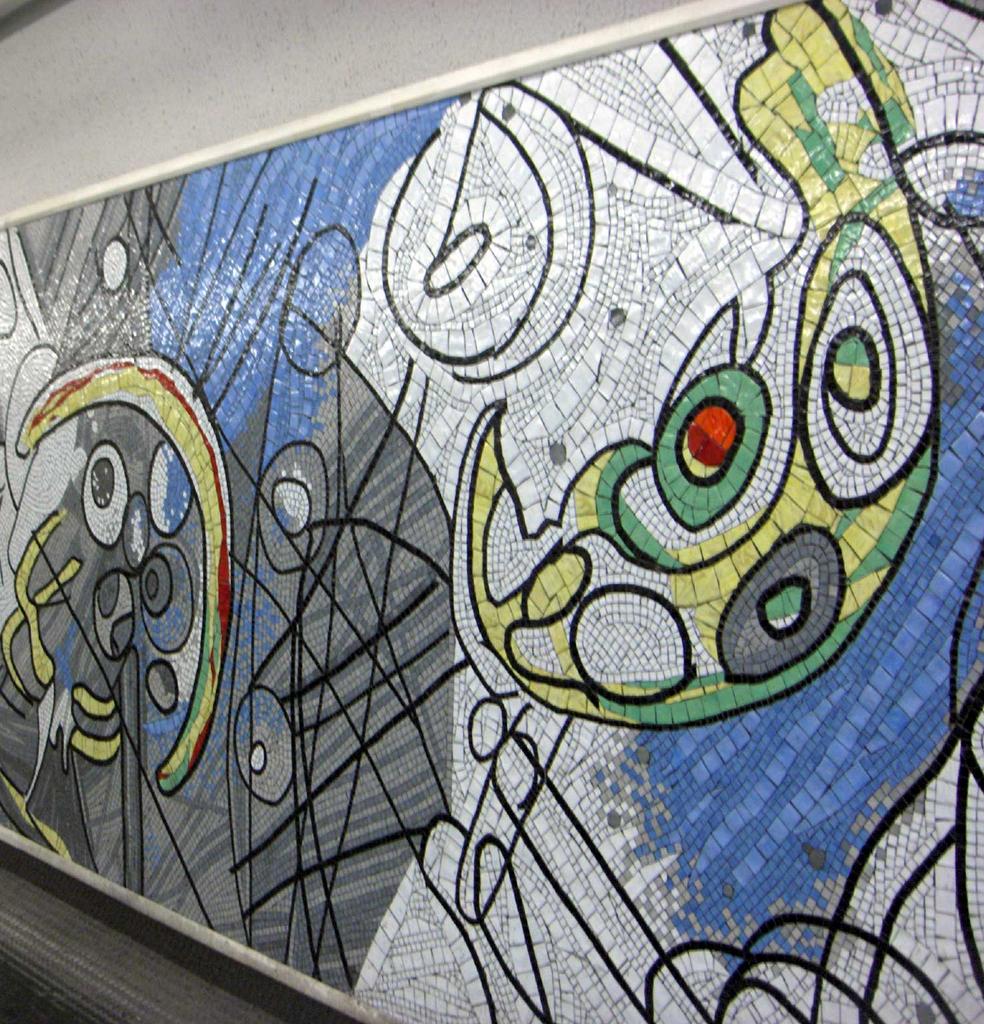
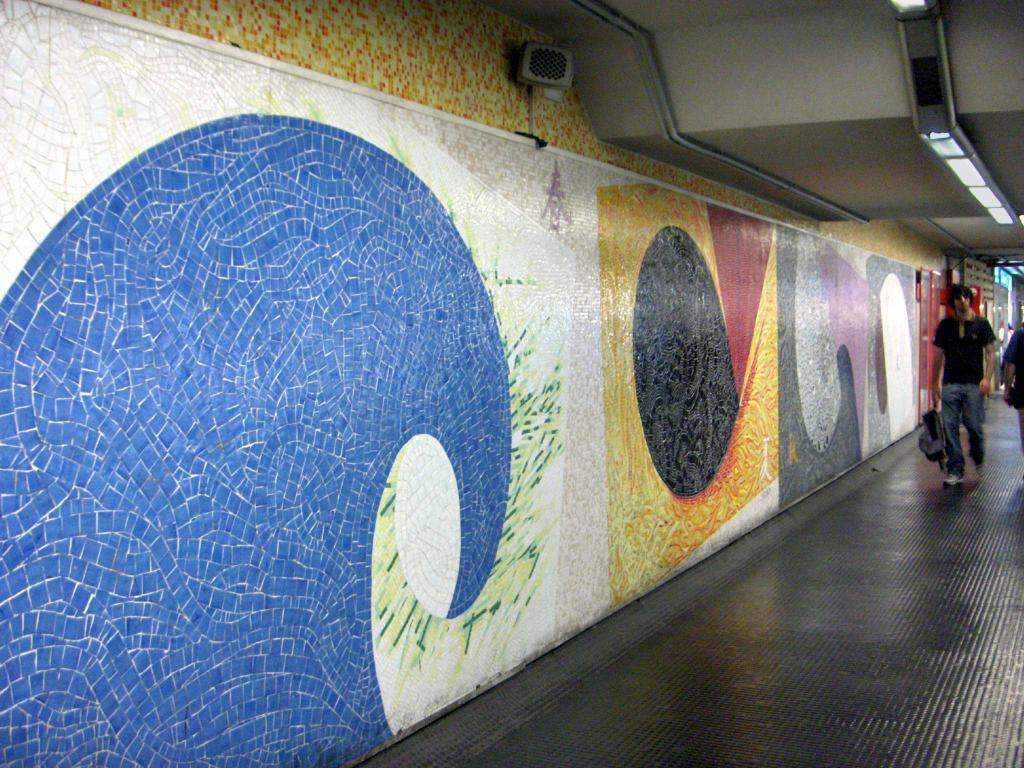
Rome Metro Subway Mosaics
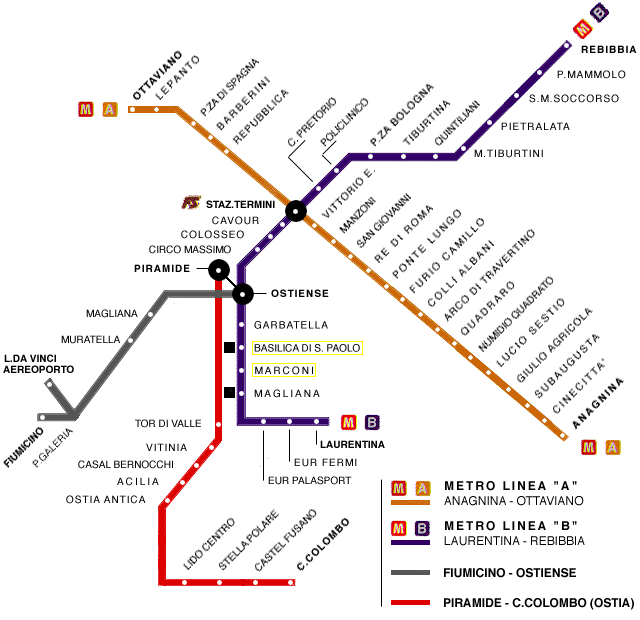
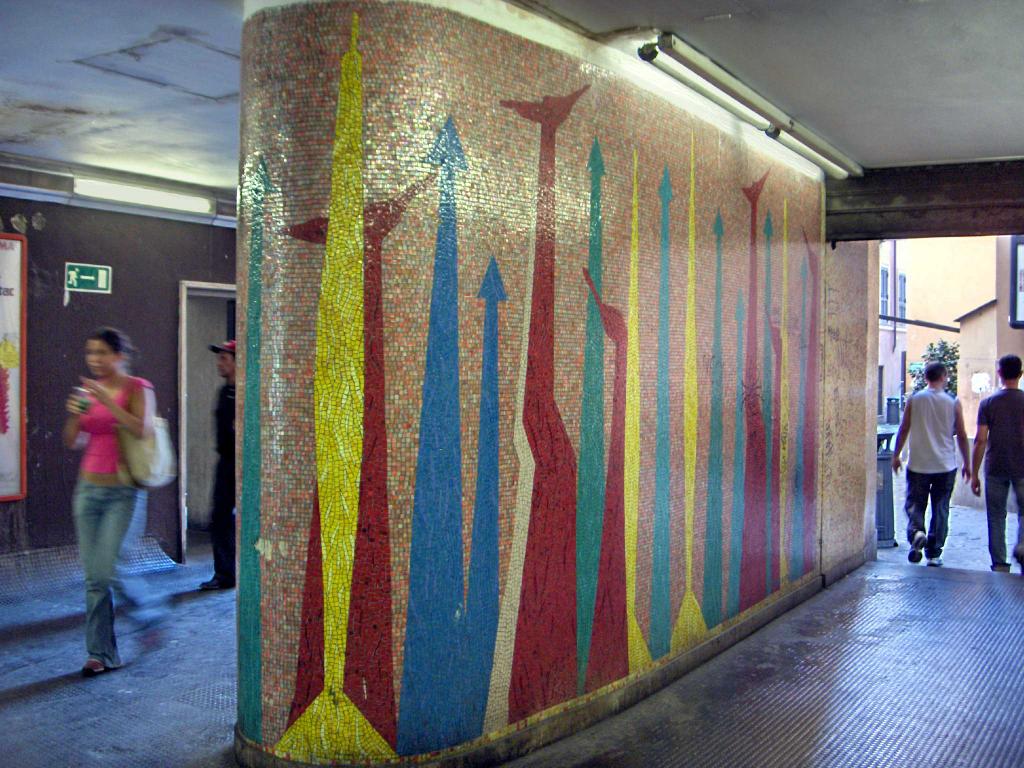
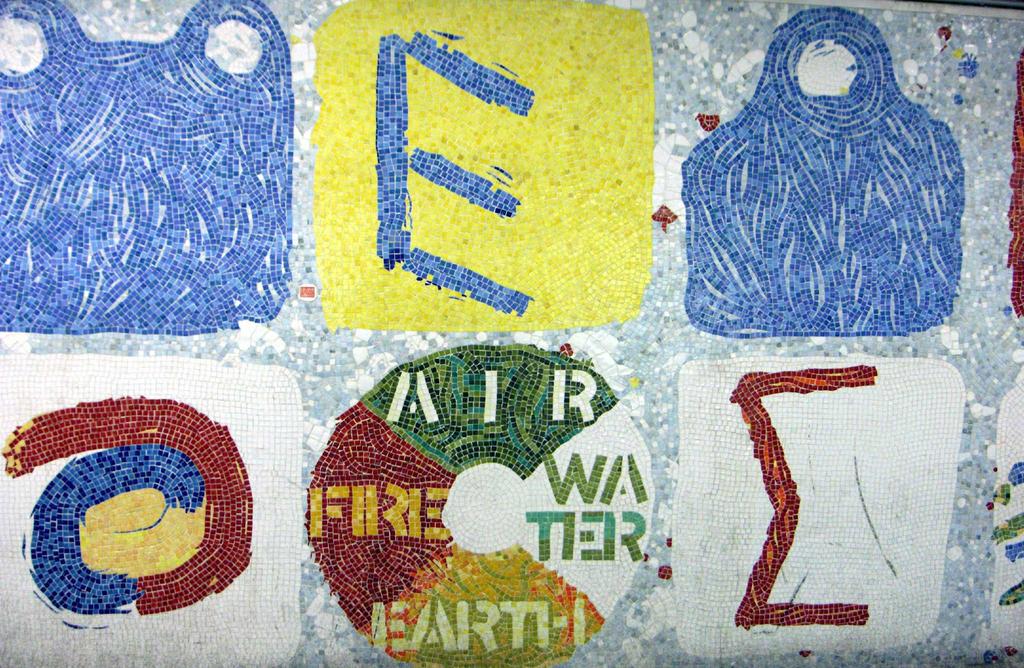
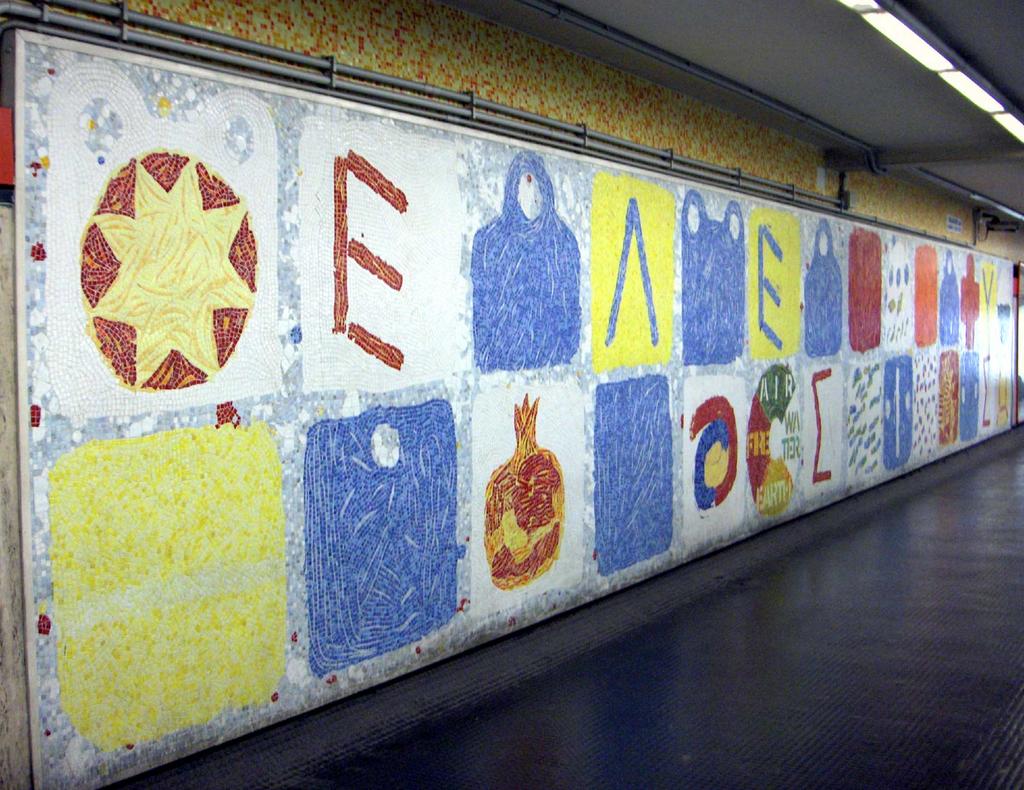
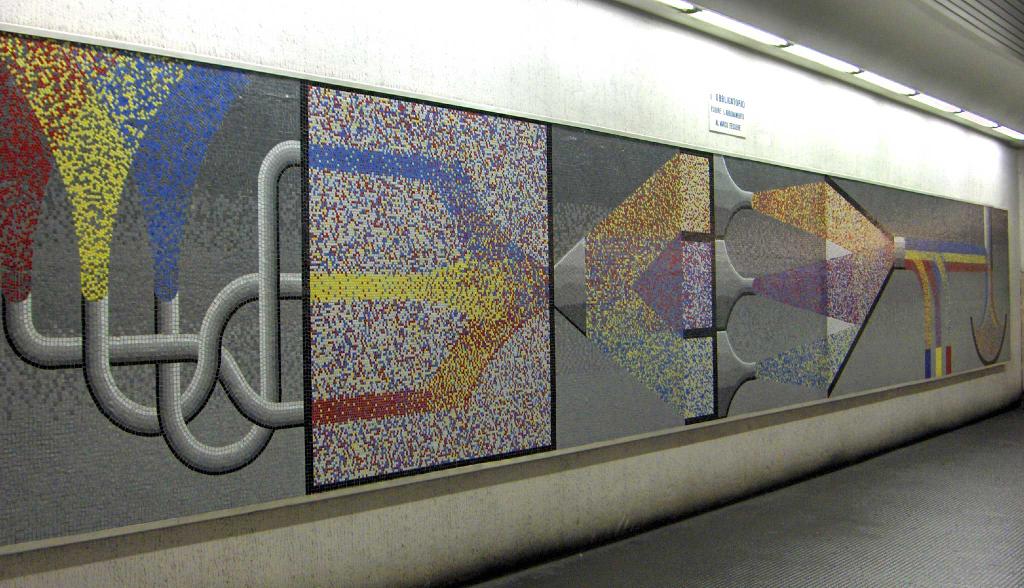
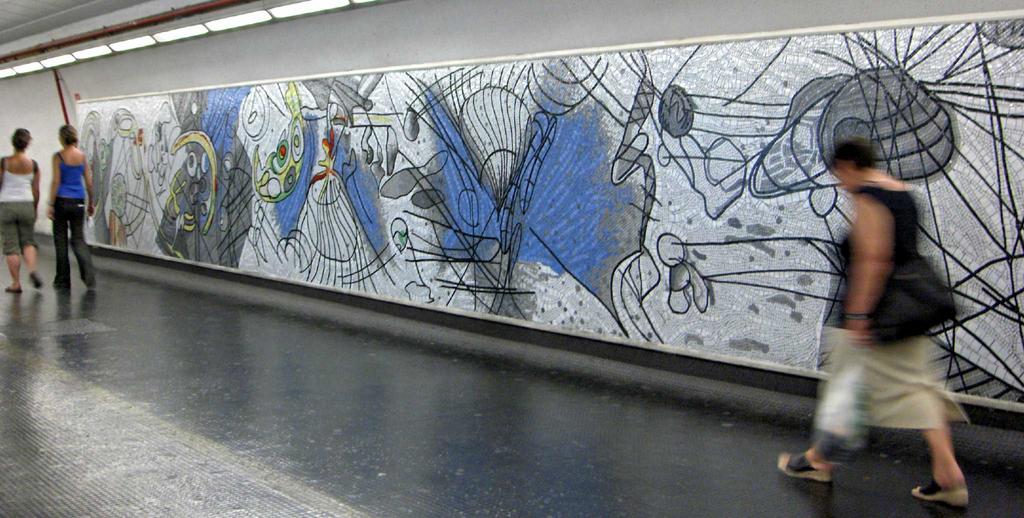
The city of Rome Italy does not have as extensive an Underground system as London or Paris, but the Rome Metro is full of big modern mosaics. I only had a couple days in Rome and was always in pretty much of a rush and this was July and there were people EVERYWHERE....so it was very difficult to get these photos. I did not make notes as to which panel was located where, I was just rushing (like trying to get to the Sunday flea market before it closed,etc) and with too much else on my mind. I am including a map of the Rome Underground Metro here, if you go for a visit and want to see these mosaics, just buy a all day ticket and hop on and off. You will find the mosaics in the passageways leading from the street entrances leading to the train platforms or in tunnels that connect two train lines.
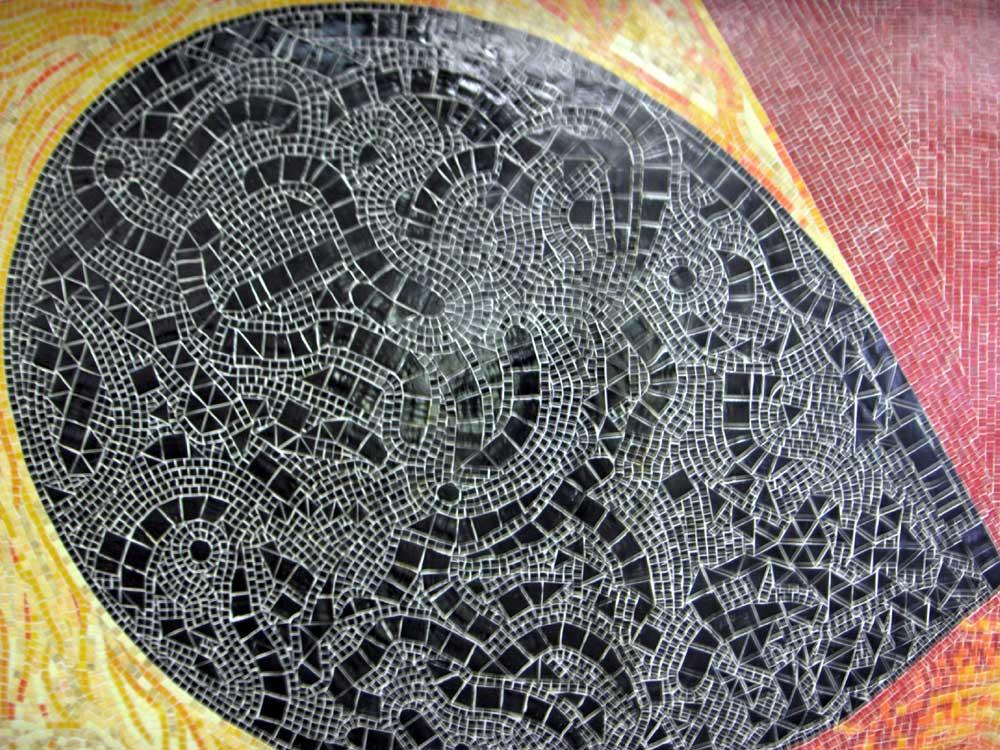
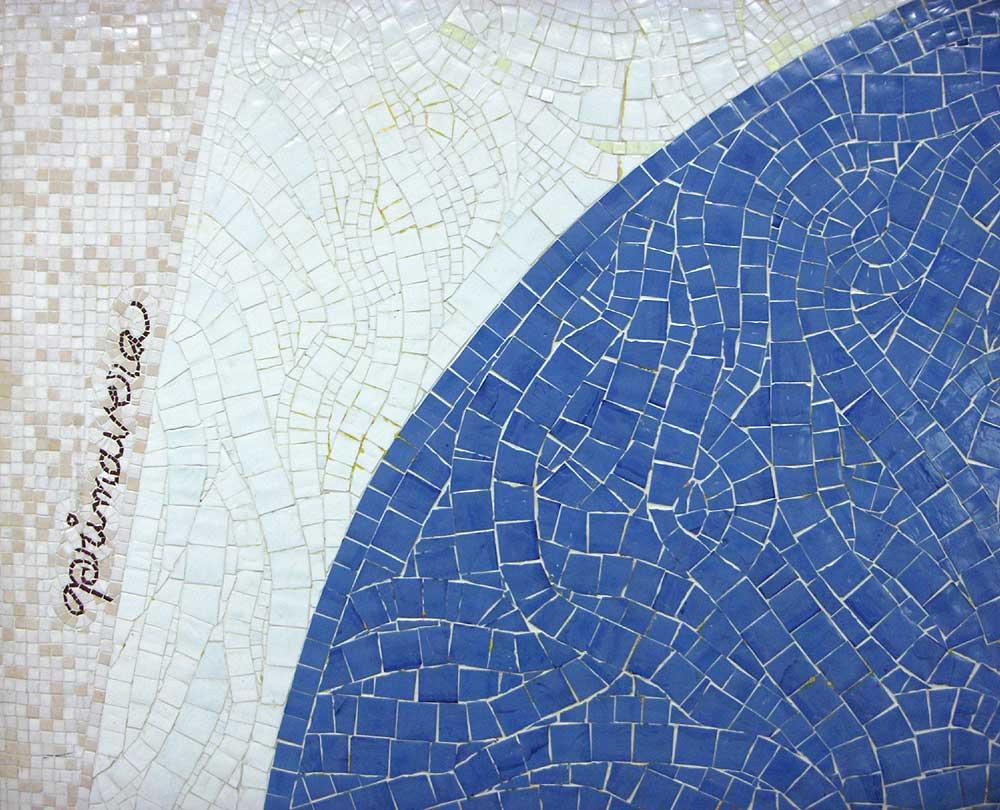
Tip: Don't visit in June, July or worse-August. Go in early fall for an ideal time. There is a great deal of interesting detail within the solid areas of color in these modern abstract mosaics. You will be able to see that in some of the close-ups shown here. I noticed a sign that seemed to identify one mosaic panel, shown here. The others may have them too, altho I did not notice them but I don't see them in the long shots of the mosaic panels.
Don't forget to click the photos for a bigger image. Then if you are using XP with FireFox Browser, you can move the curser till you see the magnifying glass with the plus sign and click again, the photo getts bigger yet. Hope you have high-speed Internet !


Tip: Don't visit in June, July or worse-August. Go in early fall for an ideal time. There is a great deal of interesting detail within the solid areas of color in these modern abstract mosaics. You will be able to see that in some of the close-ups shown here. I noticed a sign that seemed to identify one mosaic panel, shown here. The others may have them too, altho I did not notice them but I don't see them in the long shots of the mosaic panels.
Don't forget to click the photos for a bigger image. Then if you are using XP with FireFox Browser, you can move the curser till you see the magnifying glass with the plus sign and click again, the photo getts bigger yet. Hope you have high-speed Internet !


Saturday, August 20, 2005
Paris-Printemps Dept Store Mosaic Sign


Click the sign close-up to see more of the floral images in the mosaic. I wish I'd have had my 10X camera with me on this day, just had a 3X.
This beautiful mosaic sign on the face of the huge cupola atop the Printemps Haussmann Department Store in Paris is situated so that the sunlight lites it up and it is just fabulous. Considering the age of the building and the cupola, it just goes to show what a good investment mosaics are for a sign that provides a good long-term ROI.
The store was founded in 1865 by Jules Jaluzot, the Printemps was designed by Paul Sédille. The 1865 facade and 1923 cupola are classified historical monuments.
Printemps Haussmann
64, boulevard Haussmann
75009 Paris
Tel : (00.33).1.42.82.57.87
Getting There:
Metro : Havre Caumartin
RER A : Auber
RER E : Haussmann St-Lazare
Bus : 20, 21, 22, 24, 26, 27, 28, 29, 32, 42, 43, 53, 66, 68, 80, 81, 94, 95
Friday, August 19, 2005
Polly Maggoo Beer Bar--Paris

Polly Maggoo -- Beer Bar
3-5, Rue Du Petit Pont, Paris, Fr
A Wi-Fi location and named after a well known movie by the same name about a fashion model that was never released in the States. Movie might have had different spelling in some releases. Magoo instead of Maggoo. Entire upper-front of the bar is covered in mosaics. The mosaics look quite stunning as one drives by.
Monday, August 15, 2005
La Basilique du Sacré-Coeur de Montmartre, Paris


La Basilique du Sacré-Coeur de Montmartre, Paris France
The Basilica of the Sacred Heart in the Montmartre area of Paris France
The architect is Paul Abadie, but six architects succeeded him before the building was completed.
The style is Romano-byzantine,begun in 1875.The interior of the church contains one of the worlds largest mosaics, and depicts Christ with outstretched arms. The great dome mosaic was created between 1900 and 1922.
I had to take the very few photos that I did without a flash and when no one was looking. The small photo of the border is very out of focus, but I thought it was so pretty, I still included it here.

Two photos are of floor mosaics. Click them to see them BIG.... An unusual cow or bull with gold wings and a beautiful fish and anchor.
Paris Opera House- Opéra National de Paris


Opéra National de ParisOPERA NATIONAL DE PARIS 120 RUE DE LYON 75 576 PARIS CEDEX 12 0 892 89 90 90
Great 'virtual visit' --click here
The Palais Garnier is the thirteenth theatre to house the Paris Opera since the Opera was founded by Louis XIV in 1669. The current Opera House was built on the orders of Napoleon III. The project for an opera house was put out to competition and was won by Charles Garnier, an unknown 35-year-old architect. The construction lasted fifteen years, from 1860 to 1875, and was interrupted by numerous incidents, including the 1870 war, the fall of the Empire and the Commune.

The Palais Garnier was inaugurated on 15 January 1875 and it is one fine building ! The Grand Staircase is one of the most famous features of the Palais Garnier. It is built of various colours of marble with a double stairway which leads to the foyers and the different levels of the auditorium. The many vast and richly decorated foyers provide the audience with areas to stroll through during intermissions.
The auditorium is lit by an immense crystal chandelier hanging below Marc Chagall’s brightly coloured painted ceiling. The Italian-style horseshoe-shaped auditorium has 1,900 red velvet seats.
Just about all the floors are mosaics. The amazing thing, besides the vast scale is the fact that within each floor's pattern, if you take time to notice, there is an almost infinite amount of variation of the details. Instead of repeating the same stylized flower over and over, the floor might have hundreds of variations of a flower, or a rosette, all about the same size, but each one different. 
If you ever visit and are told that the main auditorium is closed due to rehursals, do not let that deter you from paying the admission to see the other parts. The acutal auditorium seems small compared to the vastness of the overall building.
Sunday, August 14, 2005
Cathedral of St. Nicholas-Monte Carlo


Cathedral of St. NicholasMonte Carlo, Monaco
4, rue Colonel Bellando de CastroMC 98000, Monaco
Tel.: (+377) 93 30 87 70
Web site: http://www.cathedrale.mc/
This church is fairly small by European cathedral standards and did not have a ton of mosaics. The small, modern looking one is near the entrance.

As in many churches in Europe, one is restricted to taking photos either without a flash, or having to be really sneaky to take many photos at all. Even in the same city, some churches don't care what you do in the way of photos and some maintain a strict NO Photos policy--I notice that more where the church has a sizable collection of postcards, booklets, etc...they hope to sell you. Anyway, these photos are not the best, as I took them in very low light. Becuase I was on a tight multi-city trip, with limited baggage space, I used a small 3X camera rather than my larger 10X zoom camera that I tend to use at home for photos of mosaics in churches. For it's size, the HPR707 digital camera did a fantastic job and never let me down. In July, there was a continuous stream of people circling around the back of the altar area of the Cathedral to view the grave of Princess Grace which always has fresh flowers on it.
The mosaics in the dome in the Cathedral of St. Nicholas have a great deal of gold in them, so it is a rich effect in the low light of the interior.
The Cathedral of St. Nicholas was built in 1875 using white stone from La Turbie. The present-day Cathedral stands on the site of a 13th century church dedicated to Saint Nicolas and houses the tombs of the former Princes of Monaco. It is also the final resting place Princess Grace.
Pontifical services take place on the major religious festivals such as the Feast of Sainte Dévote (27th January) and the National holiday (19th November).
On feast days and during religious music concerts, you can hear the magnificent four-keyboard organ, which was inaugurated in 1976.
From September through June, “Les Petits Chanteurs de Monaco” and the singers of the Cathedral Choir School sing during the mass every Sunday at 10:00AM.
Musée Océanographique de Monaco


Oceanographic Museum of Monaco in Monte Carlo
Fantastic mosaic floors of sealife....shells, starfish, fish borders, nets, octopus, ropes, ....
Almost all floors in the museum are mosaics of one kind or another. Absolutely a must-see if you get anywhere near. Difficult to photograph in summer due to the number of visitors and the sunlight glare from the many windows. When there, pay close attention t the details in the stone carvings on the outside of the building as well as the mosaics, aquariums and exhibits.
The entrance foyer has a huge circle with a mosaic of a ship and the outer border is one of stylized fish.